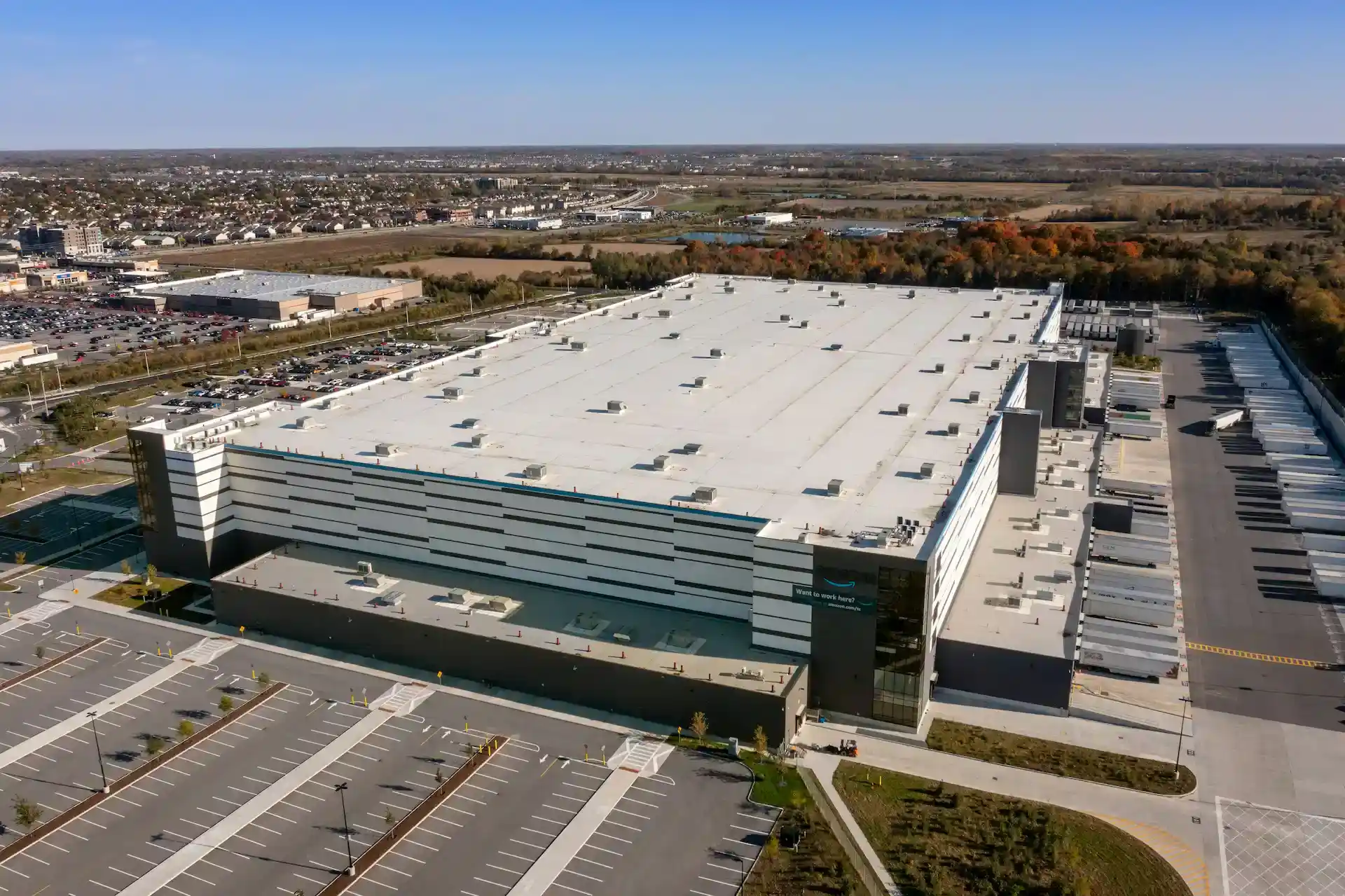
Acquisition Diligence
A roof is one of the largest single assets on any commercial building, and it is also the one most often underwritten on a single line of a property condition report. We advise owners, REITs, and acquisition teams who want a defensible read on roof condition before a deal closes, not a vague "fair to good" rating that hides six figures of deferred work. This checklist is the structure we use to convert a roof from an unknown into a priced, scheduled, and documented liability or asset.
Establish the Roof's Identity Before You Inspect It
Before anyone walks the membrane, you should be able to answer what is actually up there. Acquisitions frequently inherit roofs whose paperwork describes a system that was replaced or overlaid years ago. We reconcile the rent roll, the seller's capital records, and any permits against what is physically installed, because the gap between the two is where surprises live.
- Membrane or system type: TPO, PVC, EPDM, modified bitumen, built-up (BUR), spray polyurethane foam (SPF), or a coating over one of these.
- Original installation date and any subsequent recover or overlay (a second membrane installed over the first materially limits future options).
- Insulation type, thickness, and attachment method, which drive both R-value compliance and wind uplift performance.
- Roof area by section, since large portfolios often have multiple roofs of different ages on one parcel.
- Deck type (steel, concrete, wood) and any known structural or ponding history.
Assess Condition Against Remaining Service Life
Condition is not a grade; it is an estimate of years of reliable service remaining and the events that will end them. A ten-year-old TPO roof in dry climate with intact seams behaves very differently from a fifteen-year-old EPDM with shrinkage at the perimeter or a BUR with widespread blistering. We want the inspection to produce a defensible remaining-life figure tied to observed defects, not a calendar assumption.
The walk should document seam integrity, membrane shrinkage and chalking, flashing condition at walls and curbs, fastener backout, ponding water and drainage performance, and the condition of penetrations, pitch pans, and rooftop equipment supports. On modified bitumen and BUR, look for blistering, alligatoring, and gravel displacement. On single-ply, seams and perimeter terminations are the failure points that matter. Where the visual read is ambiguous, infrared or moisture scanning identifies saturated insulation that a surface inspection cannot, and wet insulation is the single most common driver of premature replacement.
Quantify the Capital Exposure You Are Inheriting
A diligence roof report is only useful if it produces numbers you can underwrite. We translate condition into a phased cost picture: immediate repairs required to stop active water intrusion, near-term work within the hold period, and the eventual replacement reserve. This lets the acquisition team decide whether the roof belongs in the purchase-price negotiation, a credit at closing, or the first year of the capital plan.
- Immediate repairs (active leaks, failed flashings, open seams) priced as a discrete number, not a range.
- Replacement cost by section, including tear-off versus recover, insulation upgrades to meet current energy code, and any structural reinforcement.
- Code-triggered scope: replacing more than a defined percentage of a roof can trigger full code compliance, insulation upgrades, and wind-uplift requirements that inflate the budget.
- Soft costs frequently omitted from seller estimates: engineering, permitting, tenant coordination, and rooftop equipment lifts.
Verify Warranty Status and Transferability
Owners routinely assume a roof is under warranty when it is not, or that the warranty conveys when it does not. Manufacturer membrane warranties (often 15 to 30 years on single-ply) typically require a transfer notice within a short window after the sale and an inspection that the roof has been maintained per the manufacturer's terms. A neglected roof can void coverage long before its stated expiration, and an undocumented repair by an unauthorized contractor can do the same.
We confirm the named warrantor, the coverage type (material-only versus labor-and-material, also called an NDL or no-dollar-limit warranty), the expiration, the transfer mechanism and fee, and any maintenance conditions that must be satisfied to keep it alive. A transferable NDL warranty with years remaining is real value; a material-only warranty that excludes ponding, abuse, and consequential damage is closer to a marketing document and should be priced accordingly.
Pull the Documentation Trail
The paper record tells you whether a roof has been managed or merely survived. A roof with a clean history of inspections, prompt repairs, and authorized contractors is a lower risk than an identical roof with no records, even if they inspect the same on the day you visit. We request and review the maintenance and repair history, prior inspection and infrared reports, the original installation and closeout package, warranty certificates, and any leak-call log from property management.
- Installation closeout documents, including the membrane spec sheet and as-built roof plan.
- Repair invoices, ideally showing the contractor was manufacturer-authorized.
- Prior condition or infrared reports for trend comparison.
- Active warranty certificate and the transfer requirements.
- Any open insurance or storm-damage claims tied to the roof.
Build the Decision Memo, Not Just the Report
The output of diligence should be a position, not a binder. We summarize the roof on a single page the deal team can act on: what is installed, how many years of reliable service remain, the immediate and phased capital required, the warranty's actual value and transfer steps, and a clear recommendation, whether that is a price reduction, a closing credit, a repair condition, or simply confirmation that the roof can be carried as-is. When a roof influences a closing, the goal is to make sure it does so on terms you chose with full information rather than discovering them in the first storm after you own the building.