Roof Systems
Every low-slope single-ply roof has to solve the same problem: how to keep the membrane on the building when the wind tries to lift it off. There are three broad answers, ballasted, mechanically attached, and fully adhered, and the choice shapes cost, structural load, wind performance, and long-term maintenance. This guide focuses on the first two, ballasted and mechanically attached systems, explaining how each works and how we help owners decide which fits a given building.
How the Two Systems Hold the Roof Down
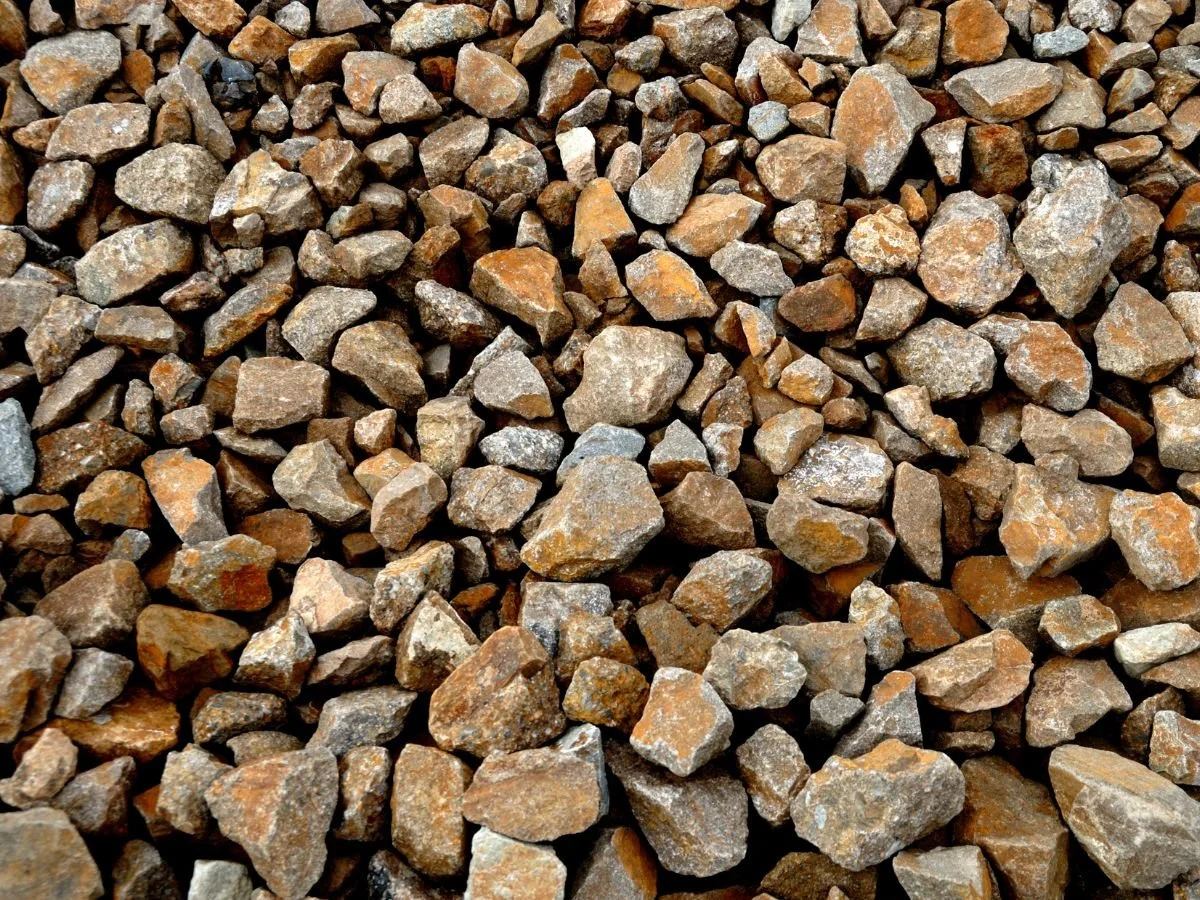
A ballasted roof lays the single-ply membrane loose over the insulation and holds it in place with weight, typically smooth river stone or concrete pavers spread across the surface. Nothing penetrates the membrane to anchor it; gravity does the work. These systems are common with EPDM and are among the oldest single-ply approaches.
A mechanically attached roof fastens the membrane to the structural deck with screws and stress-distribution plates, usually placed along the membrane seams so the fasteners are concealed beneath the overlapping sheet. The deck itself, steel, wood, or concrete, must be able to hold those fasteners. This is one of the most widely installed commercial roof types because it is fast, predictable, and cost-effective.
Weight and Structural Considerations
The most immediate difference is dead load. Ballast adds substantial weight to the roof, often in the range of 10 to 25 pounds per square foot depending on stone or paver depth. Not every building can carry that, and on a reroof the existing structure may rule ballast out entirely without reinforcement. Mechanically attached systems are light, adding little load beyond the membrane and insulation, which makes them the default where structural capacity is limited or unknown.
Slope also matters. Ballast can migrate or scour on steeper low-slope roofs and is generally limited to roofs with minimal pitch. Mechanically attached systems tolerate a wider range of slopes. For owners reroofing an older building, we almost always recommend confirming structural capacity with an engineer before ballast is even considered.
Wind Performance
Wind is where these systems behave very differently. Ballasted roofs resist uplift through sheer weight, and in moderate-wind regions they perform well, but in high-wind or coastal zones the stone can be displaced or even become airborne debris, and design wind speeds may exceed what ballast can safely resist. Building codes and insurers increasingly restrict ballast in hurricane-prone areas.
Mechanically attached roofs resist uplift at the fasteners, but they have a known behavior called membrane flutter or billowing, where wind passing over the roof creates negative pressure that lifts the membrane between fastener rows in a rippling motion. Engineered fastening patterns, with tighter spacing in corners and perimeters where uplift is highest, control this. The wind rating of a mechanically attached system is only as good as its attachment design and the deck's holding strength, which is why the fastening layout should be engineered to the building's wind zone rather than copied from a standard detail.
Strengths and Limitations Side by Side
Each system earns its place on the right building. We lay the tradeoffs out plainly:
- Ballasted strengths: low installed cost, no membrane penetrations to leak at fasteners, good UV and impact protection for the membrane, and quiet thermal mass.
- Ballasted limitations: heavy dead load, poor performance in high wind, ballast obscures the membrane so leaks are hard to locate, and stone must be moved to inspect or repair.
- Mechanically attached strengths: light weight, fast and economical installation, broad slope and deck compatibility, and an exposed membrane that is easy to inspect.
- Mechanically attached limitations: hundreds of deck penetrations that are potential leak and thermal-bridge points, membrane flutter in wind, and full reliance on deck fastener pullout strength.
Lifespan, Warranty, and Maintenance
Both approaches can deliver a 20-to-30-year service life when the membrane is quality material and the assembly is detailed well; the attachment method matters less to longevity than membrane thickness, installation quality, and maintenance. Warranty terms hinge on using the manufacturer's approved assembly and, critically, on the wind-uplift rating the system is certified to, which the attachment design must achieve. For mechanically attached roofs, the engineered fastening pattern is part of the warranted assembly, so deviating from it in the field can void coverage.
Maintenance differs in character. Ballasted roofs need ballast kept evenly distributed and drains kept clear of migrated stone, and any leak investigation means relocating ballast, which is labor-intensive. Mechanically attached roofs are easy to walk and inspect but should be checked at penetrations and seams, where most failures originate. Neither is maintenance-free, and we advise owners to budget for regular inspections regardless of system.
How We Advise Owners Choosing Between Them
When an owner asks which system to use, we start with two constraints that often make the decision: the building's structural capacity and its wind exposure. A structure that cannot carry ballast, or a site in a high-wind or coastal zone, points strongly toward a mechanically attached system with an engineered fastening pattern. A structurally robust building in a moderate-wind region with a tight budget may be well served by ballast, particularly where its impact and UV protection extend membrane life. We also weigh accessibility for future repairs, drainage design, and whether a fully adhered system might better balance the priorities. Our aim is not to favor one method but to match the attachment strategy to the specific building, climate, and ownership horizon, with the wind design verified rather than assumed.