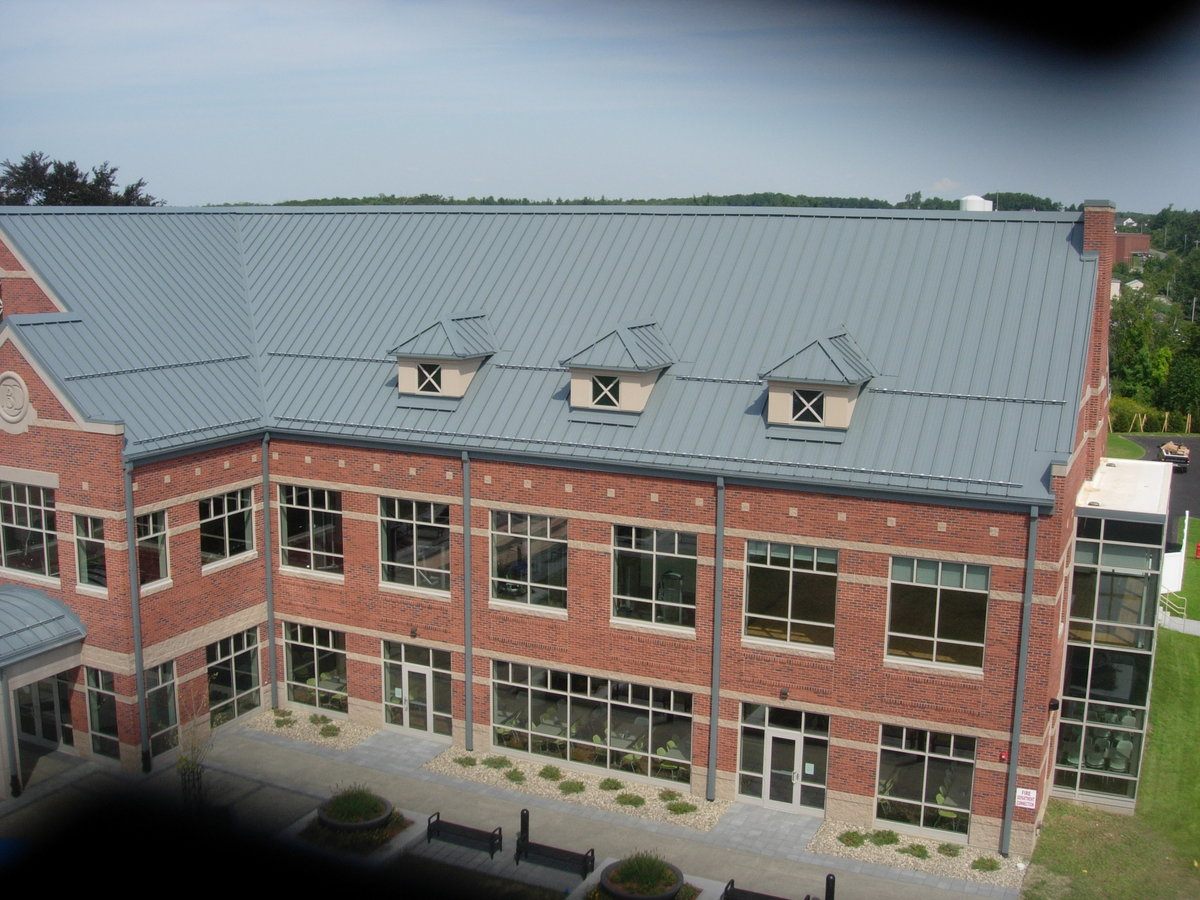
Project Closeout
The closeout phase is where the value of a commercial roof project is either captured or quietly forfeited. Most owners treat substantial completion as the finish line, sign the final pay application, and move on. The roof itself may be installed correctly, but the documentation that protects it for the next twenty years is incomplete, the warranty is unregistered or misapplied, and the records that would support a future claim or asset sale never make it into a durable file. We approach closeout as a discrete deliverable with its own acceptance criteria. What follows is the sequence we run on owner-side engagements to confirm that the asset, the warranty, and the paper trail are all in the condition they should be before final funds are released.
Closeout Is a Deliverable, Not a Date
Substantial completion means the roof can be used for its intended purpose; it does not mean the project is done. The interval between substantial completion and true closeout is where leverage lives. Once retention is released and the final waiver is signed, the contractor's incentive to return for documentation, minor corrections, or detail clarification drops sharply. We hold a portion of the closeout obligations as a condition of final payment, not as an afterthought to it. That ordering keeps the contractor engaged through the unglamorous tasks—warranty registration, as-built markups, manufacturer inspection scheduling—that owners cannot perform themselves but bear the full consequences of if they go undone.
A clean closeout also changes how the roof reads in a future transaction. When a building is refinanced or sold, a roof with a registered, transferable manufacturer warranty, a documented inspection, and a complete record of materials and details supports a cleaner condition assessment and fewer holdbacks. A roof of identical physical quality with no paperwork invites a discounted assumption and a reserve. The difference is entirely in the file.
Warranty Registration and Verification
The single most common closeout failure we encounter is a manufacturer warranty that was never properly registered, or was registered at a coverage tier below what the owner paid for. A No Dollar Limit (NDL) system warranty on a TPO, PVC, or EPDM roof is only as good as the inspection and registration behind it. The manufacturer typically requires a final field inspection by their technical representative before the warranty is issued, and that inspection often generates a punch list of its own that must be cleared before coverage attaches. We confirm the following before final payment:
- The issued warranty matches the specified term and type—NDL system warranty versus a limited material-only warranty are not interchangeable, and the price you paid should reflect the former.
- The manufacturer's field inspection was performed, the inspection report is in hand, and any items it flagged are corrected and re-verified.
- The named insured on the warranty is the correct legal entity, and the building location and roof area match the project exactly.
- Wind speed coverage, ponding-water exclusions, and any conditions tied to drainage or rooftop traffic are read and understood, not assumed.
- The warranty's transferability terms and any transfer fee or re-inspection requirement are documented for a future sale.
For coatings, SPF, and modified bitumen or BUR assemblies, the warranty structure differs but the discipline is identical: confirm what was actually issued against what was specified, and read the exclusions before, not after, a leak.
The Punch List and Manufacturer Inspection
There are usually two distinct punch lists at the end of a roof project, and owners frequently conflate them. The first is the owner's or consultant's punch list—open items observed during construction and at substantial completion: incomplete flashing terminations, sealant at penetrations, debris in drains, damaged cover board edges, fasteners backing out, or membrane seams that need probing. The second is the manufacturer's inspection list, which is the precondition for warranty issuance. Both must close, and they do not necessarily overlap.
We walk the roof with the consultant or a qualified third party rather than relying solely on the installing contractor's self-certification. Particular attention goes to the transitions and details that fail first: base flashings and counterflashing, penetration boots and pitch pans, drain and scupper assemblies, parapet and coping terminations, and changes in plane. The field of the membrane rarely fails; the details do. Every punch item gets photographed open, then photographed closed after correction, so the record shows the resolution rather than just the complaint.
As-Builts, O&M Manuals, and the Records to Keep
The closeout document package is the asset's institutional memory. Personnel turn over, contractors change, and the only durable record is the file. We require a complete, organized package delivered in digital form before final release, and we keep it somewhere that survives a property-management transition. The package should contain:
- As-built drawings reflecting the roof as actually installed—assembly buildup, insulation type and R-value, slope, drainage layout, and any field changes from the original specification.
- The fully issued and registered manufacturer warranty plus the contractor's separate workmanship warranty, with both terms and start dates clearly stated.
- Material data sheets, batch or lot documentation where available, and the approved submittals for membrane, insulation, cover board, fasteners, and adhesives.
- The manufacturer's final inspection report and the closed owner punch list with before-and-after photographs.
- A roof plan marking penetrations, equipment, access points, and drains—the reference a maintenance crew or future bidder will actually use.
- The operation and maintenance manual specifying required upkeep and the inspection cadence that keeps the warranty valid.
That last point carries hidden teeth: most system warranties require documented periodic maintenance and prompt repair, and a missed maintenance obligation is a defense the manufacturer can raise against a claim. The O&M manual is not a formality; it is the rulebook for keeping coverage alive.
Lien Waivers, Retention, and Final Payment
Financial closeout protects the owner from claims and ties the release of money to the completion of obligations. Before the final pay application is approved, we confirm that final unconditional lien waivers are in hand from the prime contractor and, critically, from subcontractors and material suppliers who could file independently. A signed final waiver from the prime does not extinguish a supplier's lien rights if the supplier was not paid. We reconcile the waiver chain against the schedule of values so that every party with lien standing has waived.
Retention—commonly held through the project—should not release until warranty registration, the document package, and the punch list are all verified complete. We tie the last installment explicitly to these deliverables in the contract so the leverage exists when it is needed. Releasing retention on the strength of substantial completion alone surrenders the only remaining incentive for the contractor to finish the work that owners can least afford to chase.
Setting the Asset Up for Its Service Life
Closeout is also the moment to establish the baseline that every future condition assessment measures against. We document the roof's as-new condition with dated photographs and a written summary, then load the maintenance and inspection schedule into the owner's capital planning calendar so the warranty conditions are met as a matter of routine rather than memory. A roof with a clean closeout file, a registered transferable warranty, and a disciplined maintenance log will reach the end of its rated service life with its warranty intact and its replacement timing predictable. That predictability—knowing when capital will be required and that no claim was forfeited along the way—is the real product of a project closeout done right.