Owner-Side Oversight
A commercial roof replacement is one of the largest discretionary capital expenditures most building owners will authorize, and it is also one of the least transparent. The membrane is on the roof, the crew works unsupervised, and the difference between a thirty-year asset and a roof that leaks in year four is buried under insulation an owner will never see. Owner-side advisory exists to close that information gap. We represent your interests across the entire replacement, from defining the right scope to standing on the deck during installation, so the system you paid for is the system you actually receive.
Defining the Scope Before Anyone Bids
Most replacement projects go wrong before a single contractor is selected, because the scope is written by the parties who will profit from it. When the bidder defines the work, the scope tends to omit the unglamorous items that determine longevity: wet insulation removal, deck repair, proper tapered drainage, cover board, and termination detailing. We write an owner-side scope first, grounded in a current condition assessment, so every contractor prices the same defensible work rather than a race to the lowest assumption.
That scope addresses the questions that drive both cost and performance. Is the existing system saturated and requiring tear-off, or is it sound enough for a recover? Does the deck need re-fastening or repair? Is the drainage adequate, or does the project need tapered insulation to eliminate ponding that will shorten the life of any membrane installed over it? Settling these before bidding is what makes the bids comparable and the budget real.
Selecting the Right System for the Building
There is no single best commercial roof system; there is a best system for a given building, climate, roof traffic, and hold period. Our role is to match the assembly to the asset rather than to a contractor's preferred product line. The major systems each carry distinct tradeoffs that an owner should understand before committing capital.
- TPO and PVC single-ply: reflective, heat-welded membranes well suited to large low-slope roofs; PVC adds chemical resistance valuable on restaurants and manufacturing where the exhaust attacks the membrane.
- EPDM: a durable, time-tested rubber membrane with strong cold-weather performance, typically adhered or ballasted rather than welded.
- Modified bitumen and built-up (BUR): multi-ply asphaltic systems with redundancy and puncture resistance, often chosen for roofs with heavy foot traffic or rooftop equipment.
- SPF (spray polyurethane foam): a monolithic, self-flashing option that can add insulation value and address irregular geometry.
- Cover board and insulation strategy: often the difference between a membrane that performs and one that punctures, regardless of which membrane sits on top.
Bid Leveling and Contract Terms That Protect You
Once qualified contractors price a common scope, the bids still must be leveled. A lower number frequently reflects a thinner membrane, a lighter warranty, omitted tear-off, or excluded deck work rather than genuine efficiency. We normalize the proposals so you compare equivalent value, not just the bottom line, and we flag allowances and exclusions that would become change orders later.
We also scrutinize the contract and warranty terms, where much of an owner's long-term exposure hides. There is a meaningful difference between a manufacturer's material-only warranty and a no-dollar-limit total system warranty, and between a labor warranty backed by the installer versus the manufacturer. We make sure the warranty covers the assembly you are actually buying, that the installing contractor is certified by the manufacturer to keep that warranty valid, and that workmanship, ponding, and consequential terms are understood before signing.
On-Site Quality Assurance During Installation
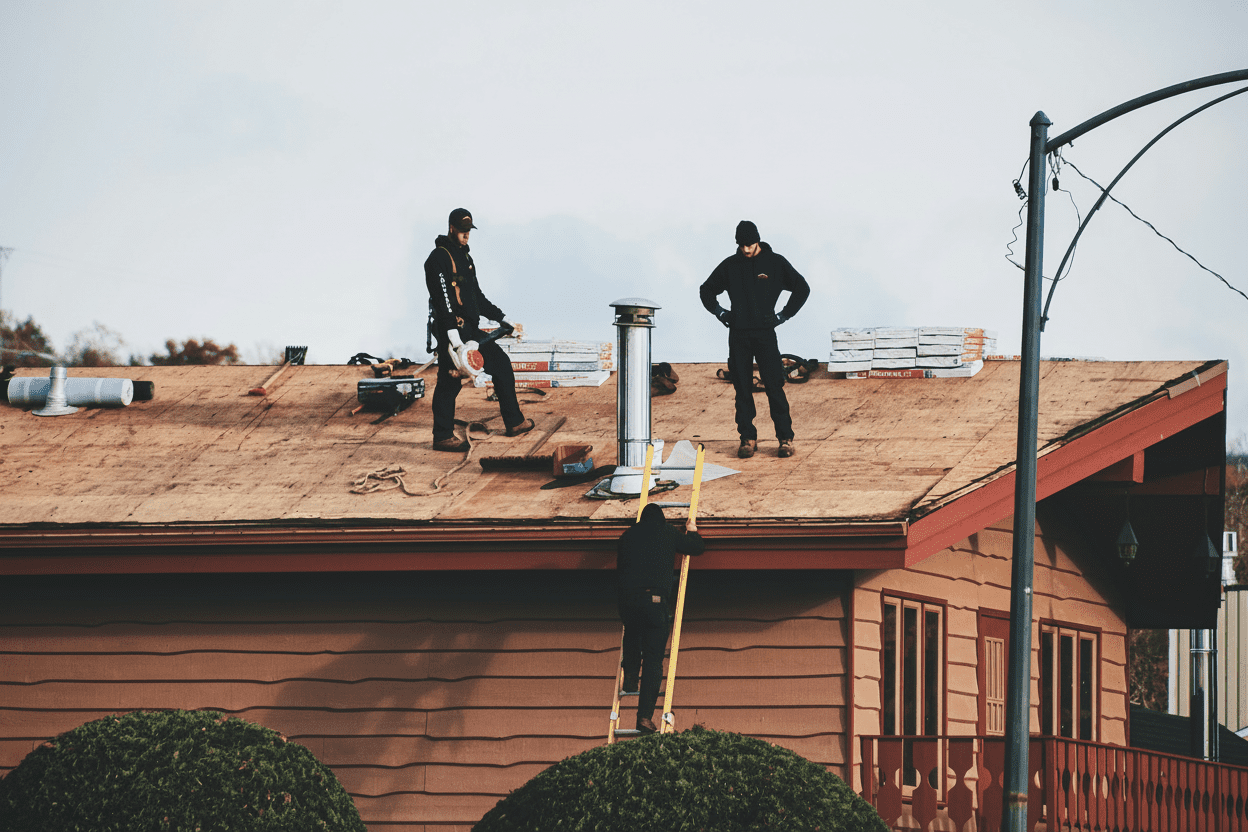
The most consequential phase of a replacement is the one owners almost never witness. Seam welds, fastener patterns, flashing details at penetrations and parapets, and the handling of wet conditions all happen on the deck, and all of them are covered over within days. We provide owner-side observation during installation so defects are caught while they are still cheap to correct.
- Verifying fastening patterns and attachment against the approved system specification and uplift requirements.
- Probing and inspecting seam welds on single-ply systems, where cold welds are the leading cause of premature leaks.
- Checking flashing, terminations, and penetration detailing, the locations where most roofs actually fail.
- Confirming wet or compromised material is removed rather than buried, and that work stops in conditions that would compromise adhesion.
- Documenting progress so the installed assembly is recorded for warranty registration and the building's roof file.
Capital Timing and Hold Strategy
Replacement is also a timing decision, and the right answer depends on more than the roof's condition. An owner planning to sell within two years may be better served by a restoration or coating that extends service life and presents a sound roof at disposition, while a long-term hold justifies the full assembly and the longest warranty. We frame replacement against your hold period, your capital calendar, and the cost of continued repairs, so the decision is financial rather than reactive.
This framing also prevents the trap of deferring a replacement until an emergency forces it, which converts a planned, competitively bid project into an urgent, sole-sourced one at a premium. Knowing when a roof has crossed from "maintain" to "replace" is exactly the judgment owner-side advisory provides.
How We Help Owners Replace a Roof
We manage commercial roof replacement entirely on the owner's side of the table. We assess the existing assembly, write a defensible scope, and match the system to your building and hold strategy rather than to a contractor's catalog. We level competitive bids, vet warranty and contract terms, and observe the installation so the roof you paid for is the roof that gets built. Throughout, we coordinate certified, qualified contractors and document the project for your records and warranty registration. We advise and oversee; we are not the installing crew, which keeps our judgment on system selection, bid evaluation, and quality independent of who performs the work.