Roof Systems
Built-up roofing, almost always called BUR and known colloquially as tar-and-gravel, is the oldest low-slope roof system still in widespread commercial use. It has covered flat roofs for well over a century, and the basic idea has barely changed: alternating layers of bitumen and reinforcing felt are assembled on site into a thick, monolithic membrane. For owners of older buildings, BUR is often what is already overhead; for owners considering a re-roof, it remains a credible option where redundancy and proven durability matter more than installation speed. This guide lays out what BUR is, where it still fits, and the tradeoffs we ask owners to consider.
What Built-Up Roofing Is and How It's Built
A BUR assembly is constructed in plies. Layers of roofing felt, traditionally organic or fiberglass, are laid into mopped bitumen, with each ply bonded to the one below. A typical roof is described as three-ply or four-ply based on the number of felt layers, and the more plies, the more redundant and durable the membrane. The bitumen is usually hot asphalt heated in a kettle and mopped on, though cold-applied adhesive systems exist for situations where open kettles are impractical.
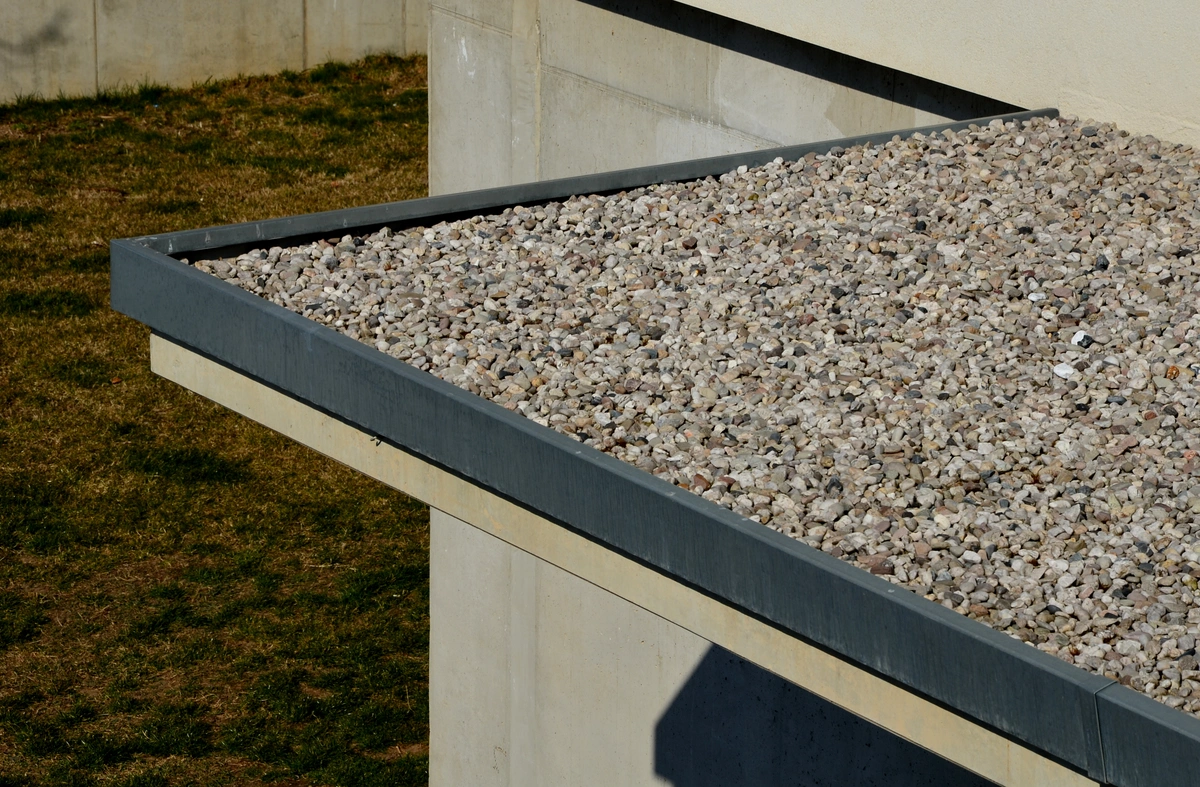
The assembly is finished with a surfacing that protects the bitumen from sunlight, the system's primary enemy. The classic finish is a flood coat of asphalt embedded with gravel or slag, which is where tar-and-gravel gets its name. Alternatives include mineral-surfaced cap sheets and reflective coatings. The result is a thick, heavy, genuinely monolithic membrane with no field seams in the conventional single-ply sense, which is the system's signature advantage.
Typical Lifespan and Performance
A properly built and maintained BUR roof commonly delivers 15 to 30 years of service, and well-kept gravel-surfaced systems on solid decks have been known to exceed that. Multi-ply redundancy is the reason: water has to find a path through several bonded layers before it reaches the deck, and the gravel surfacing shields the bitumen from UV and adds ballast and impact resistance. BUR also performs strongly underfoot, which is valuable on roofs with equipment that needs regular servicing.
Performance declines as the bitumen ages, loses volatiles, and becomes brittle, with cracking and surface erosion appearing first. Ponding water accelerates deterioration, and blistering between plies can occur where moisture was trapped during installation. BUR is heavy and benefits from a structurally robust deck; it is not the system to specify where weight is constrained.
Where Built-Up Roofing Fits Best
BUR earns its place on roofs where durability, redundancy, and resistance to traffic and impact are the priorities. It tends to fit:
- Large, relatively simple low-slope roof fields with good structural capacity.
- Buildings with heavy rooftop foot traffic or equipment service needs, where a tough surface matters.
- Institutional and industrial properties where owners value a long, proven track record over the newest technology.
- Re-roofs over compatible existing systems where matching the established assembly is sensible.
It is a poor fit on weight-sensitive structures, on roofs with countless penetrations and tight details where the layered application gets cumbersome, and increasingly on projects where the smoke, fumes, and fire risk of hot-asphalt kettles raise practical and regulatory objections near occupied or sensitive buildings.
Strengths and Limitations for an Owner
BUR's strengths are real and durable, but so are its drawbacks, and several of them are about installation logistics rather than the finished roof. We frame the tradeoffs this way:
- Strength: multi-ply redundancy means no single point of failure reaches the deck easily.
- Strength: gravel surfacing resists impact, UV, and foot traffic well and adds fire resistance.
- Strength: a long, well-understood performance history that insurers and engineers recognize.
- Limitation: heavy installation with hot kettles produces smoke and odor and carries fire risk, often unwelcome near occupied buildings.
- Limitation: among the heaviest roof systems, demanding adequate structural support.
- Limitation: gravel surfacing complicates leak detection and adds weight and cleanup at tear-off.
- Limitation: slower to install than single-ply, with a shrinking pool of crews skilled in traditional application.
Warranty and Maintenance Realities
Manufacturer warranties on BUR assemblies commonly run 10 to 20 years and, like other systems, depend on approved materials and certified applicators. Owners should expect standard exclusions: ponding water, traffic damage, and consequential interior damage are typically not covered, and the warranty obligates the owner to a maintenance regimen. Because BUR is a system of components from potentially different sources, confirming that the warranty covers the full assembly rather than a single product is worth the effort up front.
Maintenance is straightforward but matters. Keeping drains and scuppers clear to prevent ponding, inspecting flashings and the gravel surface after storms, replacing displaced gravel, and resealing at penetrations all extend life. The gravel that protects the membrane also hides developing problems, so periodic professional inspection that looks beneath the surfacing is more important on BUR than on a bare membrane.
How We Advise Owners Evaluating BUR
When an owner asks whether to stay with or install BUR, we look first at the structure and the surroundings. If the deck can carry the weight, the roof field is large and simple, and durability under traffic is the goal, BUR remains a sound, defensible choice. If the building is occupied and sensitive to fumes, or if the structure is weight-constrained, we usually steer the conversation toward cold-applied alternatives, modified bitumen, or a single-ply system and lay out the cost and performance differences plainly. We also counsel owners not to over-index on BUR's longevity reputation: that record assumes consistent maintenance and clean drainage. Where an owner can commit to that discipline, BUR rewards it; where they cannot, a system that tolerates neglect a little better may serve them more honestly.