Public Housing
Public housing authorities manage roofs that sit directly over occupied homes, and every leak becomes a habitability complaint, a work order, and sometimes a relocation. We advise PHAs and their development partners as owner-side representatives, helping you understand the true condition of your roof portfolio, sequence capital correctly against funding cycles, and hold contractors accountable to scope. We do not swing hammers or sell membrane; our value is independent judgment on assets that house people who cannot easily absorb the consequences of a deferred repair.
The Roofing Profile of a Housing Portfolio
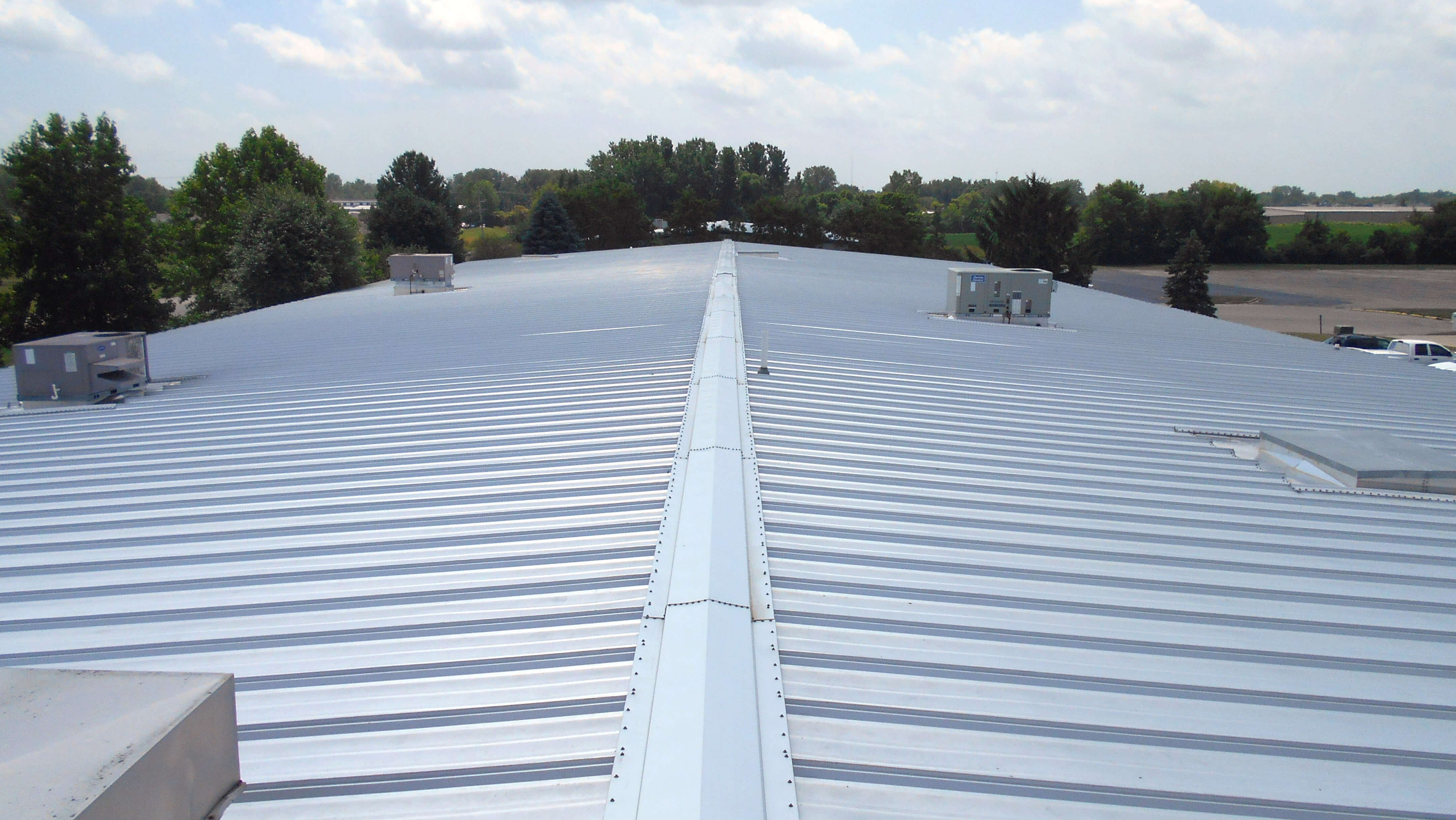
Authority portfolios are rarely uniform. A single AMP can contain mid-century built-up roofs over masonry walk-ups, sloped shingle or standing-seam metal on townhome scattered sites, and single-ply TPO or EPDM retrofits applied during a past modernization. Each system ages differently and fails differently, which means a one-line replacement reserve spread evenly across the portfolio almost always misstates real risk. Older BUR and modified bitumen assemblies frequently hide saturated insulation and rusted metal edge that no surface patch will cure, while single-ply membranes installed in earlier energy retrofits may be reaching the end of warranty with seam and flashing detail problems that are cheap to correct now and expensive to ignore.
We catalog what you actually own. That includes membrane type, approximate age, drainage design, insulation and cover board, rooftop equipment penetrations, and the condition of perimeter metal and parapets. The goal is a portfolio you can defend in a board meeting and to a funder, not a stack of one-off inspection reports that nobody can reconcile.
Capital Timing Against Restricted Funding
Roofing for an authority is a capital-planning problem before it is a construction problem. Capital Fund dollars, RAD conversions, mixed-finance deals, and Section 18 demolition or disposition decisions all change whether a roof should be repaired, restored with a coating, or fully replaced. Spending replacement money on a building slated for repositioning is a waste; deferring a replacement on a building you intend to hold for thirty years is a slow-motion habitability failure. We help you align roof spend with the financial future of each property.
- Buildings you intend to hold long term: prioritize full tear-off and re-cover with documented insulation values and a tracked warranty.
- Buildings in or near RAD conversion: scope the roof so condition is reflected in the physical needs assessment and capital plan the deal depends on.
- Buildings under disposition review: stabilize and patch to maintain habitability, not replace.
- Sound membranes nearing warranty expiration: evaluate restoration coatings or selective flashing repair to extend service life at a fraction of replacement cost.
Procurement, Davis-Bacon, and a Defensible Paper Trail
Authority roofing work carries procurement obligations that private owners never see. Federal funding brings Davis-Bacon prevailing wage requirements, Section 3 hiring goals, competitive bidding thresholds, and audit exposure if scope or change orders are loose. The most common way a roof project goes wrong on an authority is not the membrane choice; it is a bid package so vague that every contractor prices a different building, followed by change orders that erase any savings the low bid promised.
We help your team write specifications tight enough that bids are genuinely comparable, with measured quantities, named systems, and defined details for edge metal, drains, and equipment curbs. During construction we review pay applications against installed work, scrutinize change order justifications, and confirm that the closeout package includes warranties registered in the authority's name, not the contractor's. When an auditor or HUD reviewer asks why money was spent, you have a record that answers the question.
Warranty Exposure and the Manufacturer Relationship
Manufacturer warranties on single-ply and modified bitumen systems are only as good as the installation and the maintenance record behind them. Authorities routinely lose warranty coverage because rooftop HVAC contractors cut into the membrane without notifying anyone, because ponding water sat over a clogged drain for a season, or because nobody ever registered the warranty after the modernization closed out. A twenty-year NDL warranty is worthless if the manufacturer can point to an unauthorized penetration as the cause of a leak.
We treat warranty protection as an ongoing discipline. That means a current inventory of which roofs are under warranty and through what date, a protocol so trade contractors do not breach membrane without proper detailing, and an annual or semi-annual inspection cadence that satisfies the maintenance conditions most warranties quietly require. Protecting a warranty you already paid for is the cheapest roofing money an authority will ever spend.
How We Work Alongside Your Staff
Most authorities run lean maintenance departments that are excellent at responding to work orders and stretched too thin to run a capital roofing program on top of that. We are the owner's technical bench, not a replacement for your people. We give your facilities director and finance team a clear condition picture, a prioritized multi-year sequence, and independent oversight during projects so the authority is never relying solely on the assurances of the company it is paying.
- Portfolio-wide condition assessment with a prioritized capital roofing plan tied to funding sources.
- Specification and bid-package review so procurement is competitive and audit-ready.
- Construction-phase oversight, pay-application review, and closeout documentation.
- Warranty tracking and a preventive inspection cadence to preserve coverage.
- Plain-language reporting your board, residents, and funders can understand.
The roofs over your communities are among the highest-consequence assets in the portfolio. We help you steward them with the same rigor a sophisticated private owner would demand, while respecting the funding rules and accountability that come with public housing.