Montana statewide
Montana's commercial roofs face a harsher and more varied set of forces than almost any state in the Lower 48, and the distances between its markets make portfolio oversight its own challenge. We advise building owners, REITs, and asset managers on the roofs they hold across the state — not as a roofing crew, but as the owner's representative responsible for condition assessment, capital planning, snow-load and warranty exposure, and the long-term stewardship of roof assets from the Yellowstone Valley to the western mountain towns.
The Markets We Serve Across Montana
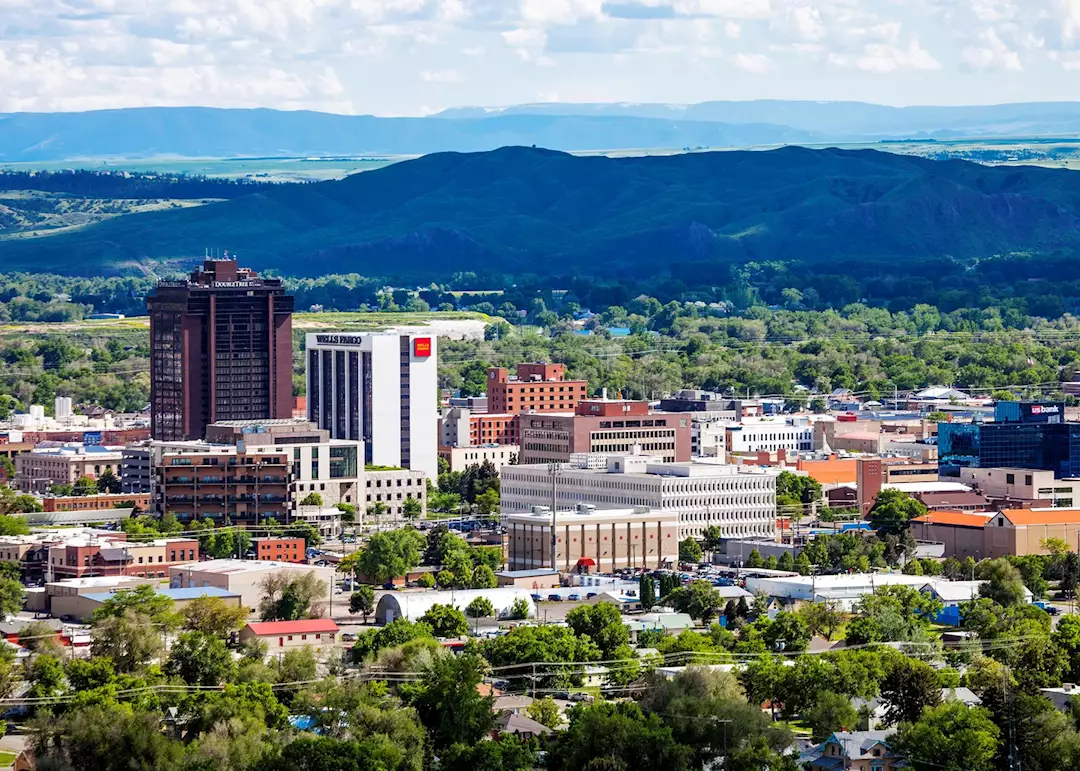
Billings is the state's largest city and the trade and service center for the entire Upper Plains, with a commercial base in energy and petroleum refining, agriculture, and the distribution that radiates across eastern Montana and beyond. Its building stock runs from refinery and industrial structures to the warehouses, medical buildings, and retail centers that serve the wider region. Missoula follows, with an economy weighted toward healthcare, retail, and the university, and a downtown of older commercial buildings alongside newer development.
Great Falls adds manufacturing and agricultural processing on the central plains, while Bozeman and Gallatin County have been the fastest-growing market in the state — producing a steady pipeline of new commercial, hospitality, and light-industrial roofs. Helena anchors state government, and Butte carries its own industrial legacy. Because agriculture is Montana's leading industry, much of the commercial roof inventory we plan for is tied to it: grain and sugar-beet processing, cold storage, equipment dealerships, and the cooperatives that move the state's crops.
- Billings: energy and refining, agriculture, Upper Plains trade and distribution
- Missoula: healthcare, retail, and university buildings
- Great Falls and Bozeman: agricultural processing, manufacturing, and fast-growing commercial development
- Statewide: agricultural and cold-storage facilities tied to Montana's leading industry
Why Montana Roofs Fail
Snow load is the defining structural concern. Montana sets a minimum design roof snow load of 30 pounds per square foot, but the real loads vary enormously across the state — prairie towns see thirty to fifty inches of snow a winter, while high western locations can take around three hundred inches. On low-slope commercial roofs, accumulated and drifting snow imposes loads that demand attention to drainage, deck condition, and any prior structural modification. Snow that melts and refreezes also builds ice at drains, parapets, and valleys, forcing meltwater back into the assembly.
East of the Continental Divide, the chinook is a second and distinctly Montana hazard. These warm, dry winds run from the Browning and Shelby area southeast toward the Yellowstone Valley above Billings, frequently blowing 25 to 50 miles per hour or more and raising temperatures 25 to 50 degrees in a matter of hours. For a roof, that is a brutal freeze-thaw whipsaw — deep snow melting fast under high wind, then refreezing — that fatigues membranes, splits seams, and lifts poorly secured edge metal and flashing. Summer brings a shorter but real hail season, concentrated in July and August, that bruises membranes and strips granules on the roofs that have to absorb it.
- Snow load: heavy accumulation and drifting that stress drainage and deck across widely varying design loads
- Ice formation: refreezing meltwater backing up at drains, parapets, and valleys
- Chinook wind: rapid warm-up, wind uplift, and accelerated freeze-thaw east of the Divide
- Summer hail: July and August impact damage to membranes and surfacing
Condition Reporting and Snow-Load Documentation
In a snow-load state, condition reporting has to do more than catalog leaks. Our assessments document the membrane and flashing condition, the state of drains and crickets that have to clear meltwater, and any signs of deck stress or deflection that matter when snow piles up. We establish a baseline for each roof and track how Montana's freeze-thaw cycling is degrading it over time, so owners are not guessing at the true condition heading into winter.
For owners holding buildings in several Montana markets, the geography is unforgiving — Billings to Missoula is a long drive, and a problem roof in Great Falls is hours from one in Bozeman. We standardize inspection and reporting across the portfolio so every roof is evaluated to the same standard, and we schedule assessments around the freeze-thaw calendar: closing out the season's damage in spring and confirming drainage and securement are sound before the snow returns.
The Roof Systems We Manage in Montana
The roof assembly determines how a building survives a Montana winter, and the state's stock is a mix. Newer commercial and light-industrial buildings in the Gallatin Valley and the growing markets favor single-ply membranes and standing-seam metal, both of which handle snow load and shedding well but depend entirely on sound flashing, fastening, and drainage detail to do it. Older downtown buildings in Billings, Missoula, and Helena often carry built-up or modified-bitumen roofs where decades of freeze-thaw have already worked the seams and surfacing.
Agricultural and industrial facilities add metal roofs and large low-slope decks where snow drifting and meltwater management are the dominant concerns. We identify the system on each roof, its age and remaining life, and the specific way Montana's snow load and chinook cycling stress it — because the right maintenance, the warranty terms, and the replacement cost all depend on what is actually up there. A plan built on the real assembly is the only plan that holds up to a Montana winter.
Capital Planning and Warranty Exposure
Montana's climate compresses roof life and punishes deferred maintenance, which makes disciplined capital planning essential. We build multi-year forecasts based on each roof's documented condition, so owners can sequence reroofs deliberately rather than reacting to a midwinter failure when access is poor, crews are scarce, and costs spike. Getting the timing right — replacing a roof in a good-weather window before it fails — is often the single largest cost lever in a northern portfolio.
Warranty exposure deserves the same scrutiny. Membrane warranties carry conditions that the conditions here can quietly breach: snow-removal crews working on the roof without authorization, mechanical contractors leaving punctures, drains left to clog and pond. On large industrial and agricultural roofs, a voided warranty can convert a covered defect into a full owner-funded replacement. We track warranty terms, verify that snow management and rooftop work keep coverage intact, and flag the conditions that put it at risk before they cost the owner.
- Multi-year capital forecasts sequenced around Montana's narrow good-weather windows
- Replacement timing that avoids midwinter emergency work and premium pricing
- Warranty tracking that accounts for snow-removal and rooftop-access risks
Working With Owners and Asset Managers
We work for the owner, not the contractor. We do not install roofs and have no stake in the size of a repair, so our advice is matched to protecting the asset and the budget across long Montana distances. For a REIT, a private owner, or an asset manager with buildings scattered from Billings to the Gallatin Valley, we are the single advisor who keeps every roof to one standard — vetting the local crews who do the work, holding them to the warranty terms, and keeping the capital plan current as each winter takes its toll.
For owners managing property at a distance, that consistency is the point. They know the condition of every roof, how each one is handling the snow load and the chinook cycles, when each will need replacement, and where their warranties stand — so the next hard winter is a managed expense rather than an emergency.