Who We Serve
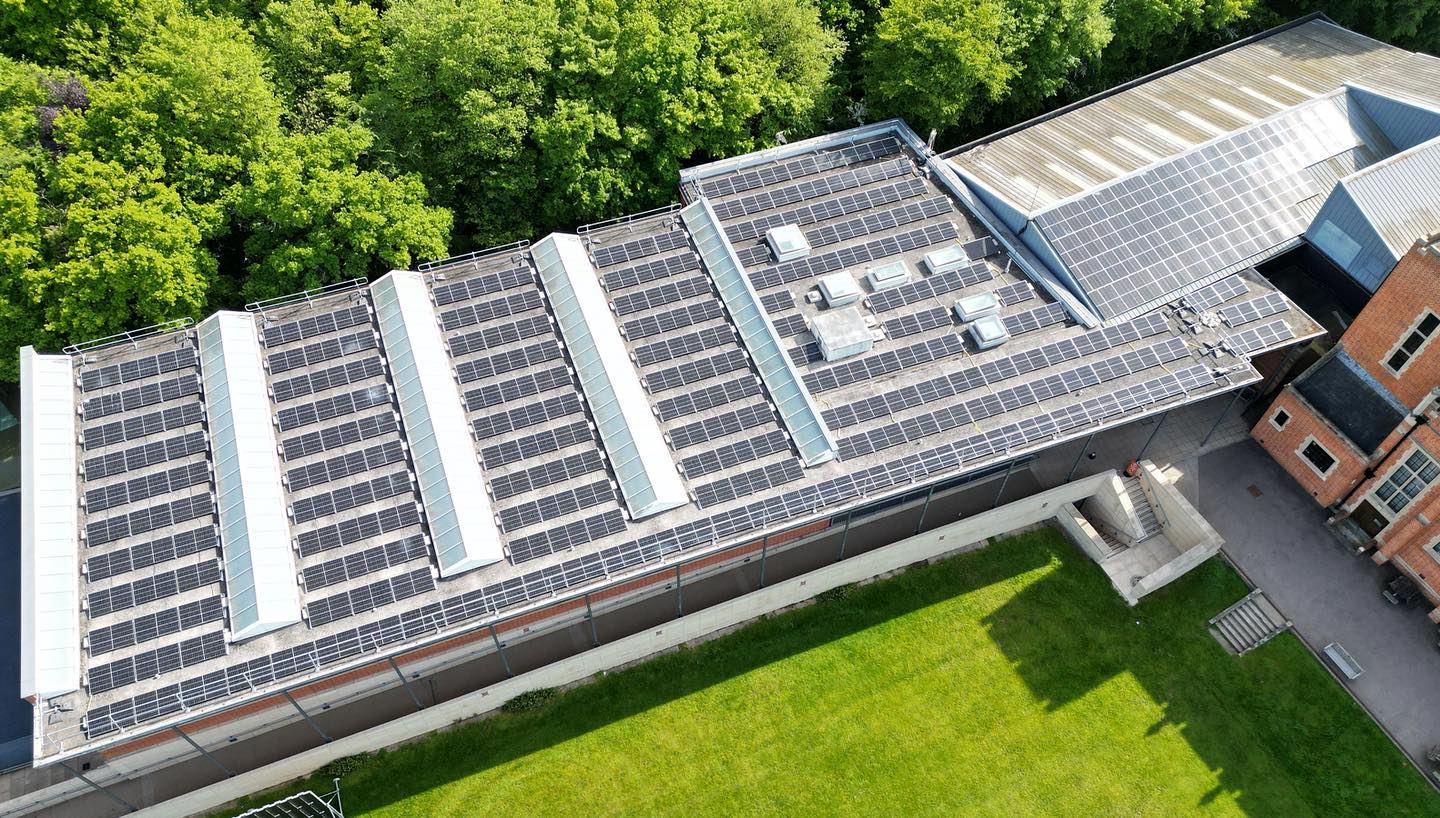
A research or laboratory roof is rarely a simple weatherproof plane. It is a working platform carrying exhaust fans, chemical fume hood stacks, makeup air units, chilled-water and process piping, vibration-isolated mechanical equipment, and the membrane that separates millions of dollars in instruments and irreplaceable specimens from the weather. We advise the owners, asset managers, and facilities leaders responsible for these campuses, and we approach the roof the way you do: as one component in a system that cannot be allowed to fail quietly.
The Roof Above a Lab Is a Different Risk Class
In a warehouse, a slow leak is a maintenance ticket. Above a wet lab, vivarium, cleanroom, or freezer farm, the same leak can ruin a study that took years to set up, force a research hold, trigger biosafety or IACUC reporting, or shut down a fume-hood bank until the ceiling plenum is cleared. The consequence of a roof failure is not measured in the cost of the repair. It is measured in lost science, contamination risk, and regulatory exposure. That asymmetry should drive every decision about the assembly above sensitive space, and it often does not, because the roof is bought on first cost like any other building.
We help owners reframe the roof over critical research areas as protected infrastructure. That means tighter inspection intervals, redundancy in detailing, and a documented chain of accountability for anyone who walks the surface. It also means knowing precisely which rooms sit under which roof sections, so a problem overhead is understood in terms of what it threatens below.
Equipment Density Is the Defining Stressor
Lab roofs are crowded. Curbs, pipe penetrations, gas lines, conduit, condensate drains, and vibration-isolated dunnage steel multiply the number of places water can enter. Every penetration is a detail that ages on its own clock, and exhaust from solvent and acid fume hoods can chemically attack the membrane and flashings immediately downwind of the stacks. We see the predictable failure pattern again and again: the field of the roof is fine, but the flashings, pitch pans, and penetration seals are spent.
When we assess a research campus roof, we pay particular attention to the conditions that ordinary inspections miss:
- Chemical degradation of membrane and flashings in the fallout zone downwind of fume-hood and solvent exhaust stacks
- Failed or sand-filled pitch pans at clustered pipe and conduit penetrations
- Ponding and crushed insulation under and around heavy mechanical dunnage and screen walls
- Foot-traffic damage on routes technicians and vendors use to service rooftop units, often without walkway pads
- Condensate and process-water discharge eroding the surface or overwhelming drains
- Vibration from large fans and pumps working penetration seals and fastener rows loose over time
Choosing Assemblies That Tolerate Chemistry and Traffic
Membrane selection on a lab roof has to account for what comes out of the stacks and what walks across the surface. PVC and KEE-based membranes generally hold up better than TPO or EPDM against the oils, solvents, and acidic condensate common around laboratory exhaust, which is why we often steer owners toward PVC in heavy-chemistry zones. Where a campus is standardized on TPO for cost or warranty reasons, we advise sacrificial chemical-resistant flashing details and walkway protection in the exhaust fallout areas rather than assuming the field membrane will survive. On older buildings we frequently encounter built-up roofing (BUR) and modified bitumen still performing adequately, and the right move is sometimes a high-quality coating and detailed flashing repair rather than a premature tear-off.
Cover board matters more here than on a typical commercial roof. The constant service traffic and equipment loads on a lab roof punish thin or soft substrates, and a high-density cover board under the membrane is cheap insurance against the puncture and compression damage that this environment guarantees. We also press for generous walkway-pad networks along every service route, because the alternative is paying for that protection later in membrane repairs.
Coordinating the Roof With Lab Operations
On an occupied research campus, the hardest part of roof work is rarely the roofing. It is sequencing the work around vivariums that cannot tolerate noise or vibration, cleanrooms that cannot tolerate dust, fume hoods that must keep running, and experiments that cannot be paused. A tear-off scheduled without regard to a sensitive study can do more damage than the leak it was meant to fix. We build that operational reality into the plan from the start, coordinating with EHS, facilities, and principal investigators so the roof work happens in a way the science can absorb.
- Phasing tear-off and re-cover around active research, animal facilities, and cleanroom schedules
- Protecting interiors and rooftop intakes from dust, odor, and debris during demolition
- Managing hot-work, adhesive fumes, and intake contamination so they never reach occupied space
- Holding any open-roof condition to the shortest possible window over critical rooms
Capital Planning When Failure Is Not an Option
Because the downside of a leak over research space is so steep, we counsel owners against running these roofs to failure. A roof above ordinary office space can reasonably be managed reactively; a roof above a freezer farm or active wet lab should be managed on a forecast. We build reserve schedules that reflect the true replacement cost on a congested lab roof, including the mechanical disconnect, reconnect, and equipment-protection work that makes these projects more expensive per square foot than a comparable warehouse, and we flag the sections whose consequence-of-failure justifies replacing them ahead of the rest of the campus.
We also keep the warranty honest. Manufacturer warranties on lab roofs are frequently voided by the very thing the roof exists to support: uncontrolled rooftop equipment installs, vendor penetrations made without flashing the membrane properly, and chemical exposure the system was never rated for. We audit the as-built conditions against the warranty terms, document who is responsible for each penetration, and put procedures in place so the next HVAC or process-piping contractor does not quietly invalidate your coverage. The goal throughout is a roof that you can trust to do its one job: keep the weather off the science underneath it.