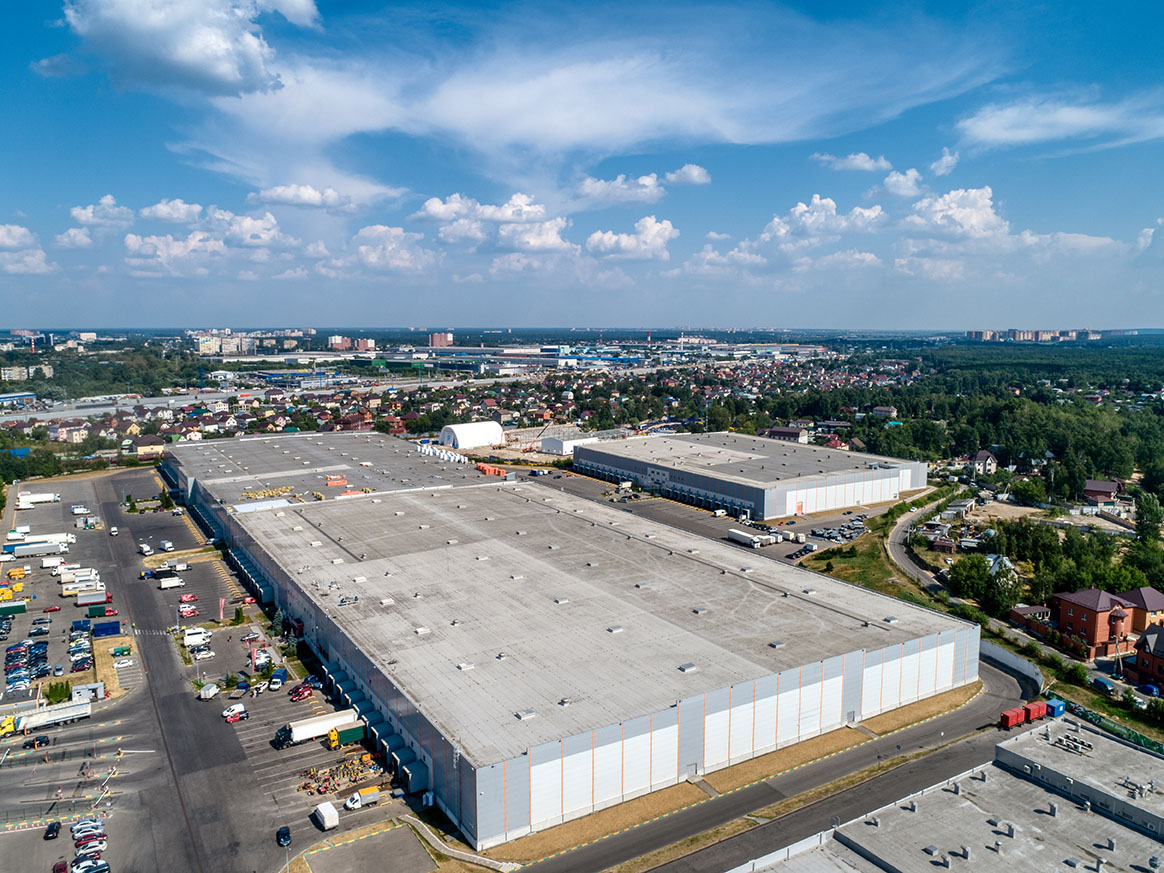
One spec, many sites
When a portfolio grows by acquisition, its roofs arrive as a museum of decisions made by other people: a PVC roof here, an aged BUR roof there, three different TPO manufacturers, a dozen warranty registrations no one can find, and maintenance handled by whoever the prior owner happened to call. Standardization replaces that inheritance with a single, deliberate approach to how roofs are specified, installed, maintained, and warrantied across every site. We build the standard, then drive the portfolio toward it as roofs come due, so the program gets simpler and cheaper with every replacement instead of more tangled.
The cost of an accidental portfolio
A roof stock assembled by accident carries hidden costs that never show up as a single line item. Every membrane type needs its own trained labor, its own repair materials, and its own inspection knowledge. Multiple manufacturers mean multiple warranty regimes with conflicting maintenance conditions, so a facility team trying to do the right thing across forty sites is effectively learning forty different rulebooks. Purchasing has no leverage because no two roofs buy the same thing. And when a roof leaks, diagnosing it depends on whether anyone remembers what is actually up there.
Standardization attacks all of that at the source. It does not require ripping off sound roofs; it requires deciding, once, what the portfolio installs from here forward and replacing toward that decision on a planned schedule.
Building the standard
A good roofing standard is specific enough to bid and flexible enough to survive real buildings. We develop it around the realities of your portfolio's climate zones, building types, and roof access:
- A primary membrane system and a defined alternate, chosen for the portfolio's geography and service-life targets, typically a single-ply system such as TPO or PVC, with provisions for restoration coatings where replacement is premature.
- Standard assemblies, including insulation type and R-value, cover board, attachment method, and fastening or adhesion approach.
- Approved manufacturers and a consistent warranty tier, so coverage terms and maintenance conditions are uniform.
- Standard detailing for the recurring trouble spots: perimeter and parapet flashing, penetrations, curbs, drains, and rooftop equipment supports.
- A common specification for accessories that drive long-term cost, from walkway pads at service paths to drainage and overflow provisions.
The standard becomes the document every replacement project is bid against, which is where the savings start to compound.
Purchasing and warranty leverage
Once the portfolio buys the same system from the same approved manufacturers, scale starts working in your favor. Material commitments can be negotiated across the program rather than project by project. Warranty terms become consistent and comparable, so a building owner is no longer holding a folder of coverage documents that all expire on different conditions. And because the maintenance requirements are uniform, a single inspection and upkeep protocol keeps every warranty live, instead of a patchwork that quietly lapses one site at a time.
We keep this owner-side. The standard is written to serve the portfolio's economics and risk position, not a particular contractor's preferred system, and the approved-manufacturer list stays open enough to preserve competitive bidding.
Climate zones and one spec that travels
A portfolio that spans the country cannot be served by a single rigid recipe, and a standard that pretends otherwise will be ignored the first time it meets a real building. The discipline is to standardize the decisions that should be uniform and let the few that must vary do so within defined rules. The membrane family, the approved manufacturers, the warranty tier, the detailing for flashings and penetrations, and the documentation requirements stay constant everywhere. Insulation R-value flexes to meet the local energy code, attachment method responds to the wind zone, and reflectivity choices follow the cooling-versus-heating balance of the climate.
That structure is what makes the spec portable. A reflective TPO or PVC assembly that earns its keep on a Sun Belt distribution center may be specified with a different insulation thickness and a different fastening pattern on a northern site facing snow load and uplift, yet both are still the same standard, bid the same way, warrantied the same way, and maintained the same way. The owner gets the consistency without forcing a single physical assembly onto buildings that genuinely differ.
Migrating the portfolio
No one re-roofs an entire portfolio at once, and they should not. The standard is reached through attrition: as each roof hits the end of its service life or fails a condition threshold, it is replaced to the standard rather than to whatever happened to be there before. We map the existing roof stock against the standard, identify which roofs already comply, which are near end of life, and which are outliers worth accelerating, then sequence the migration against your capital plan.
The sequencing also accounts for restoration opportunities. A non-standard but structurally sound single-ply roof may be a candidate for a coating that buys five to ten years, deferring its conversion to the standard until the capital timing is right. That kind of bridge keeps the migration affordable instead of forcing premature replacements just to reach uniformity.
Comparable risk across sites
The strategic payoff of standardization is comparability. When every roof is described in the same terms, with the same condition language, the same warranty structure, and the same maintenance regime, roof risk stops being forty separate stories and becomes one portfolio view. An asset manager can see, at a glance, which sites carry the most exposure, where the next capital is going, and how the program is improving year over year. That is the difference between managing roofs and managing a roofing program, and it is what standardization is ultimately for.
What standardization is worth at the transaction
The benefits compound quietly during ownership, but they become explicit at a sale or a refinance. A portfolio whose roofs are documented to one standard, with known systems, current warranties, and a clean maintenance and capital record, presents a buyer or lender with a legible asset rather than a diligence hazard. Roof condition stops being the line item that triggers a price retrade or a holdback, because there is nothing hidden to discover. The same record that ran the program day to day becomes the diligence package, and a standardized roof stock reads as managed risk instead of deferred liability. Owners who standardize are not only spending less to operate the roofs; they are protecting the value they will eventually realize from the buildings underneath them.