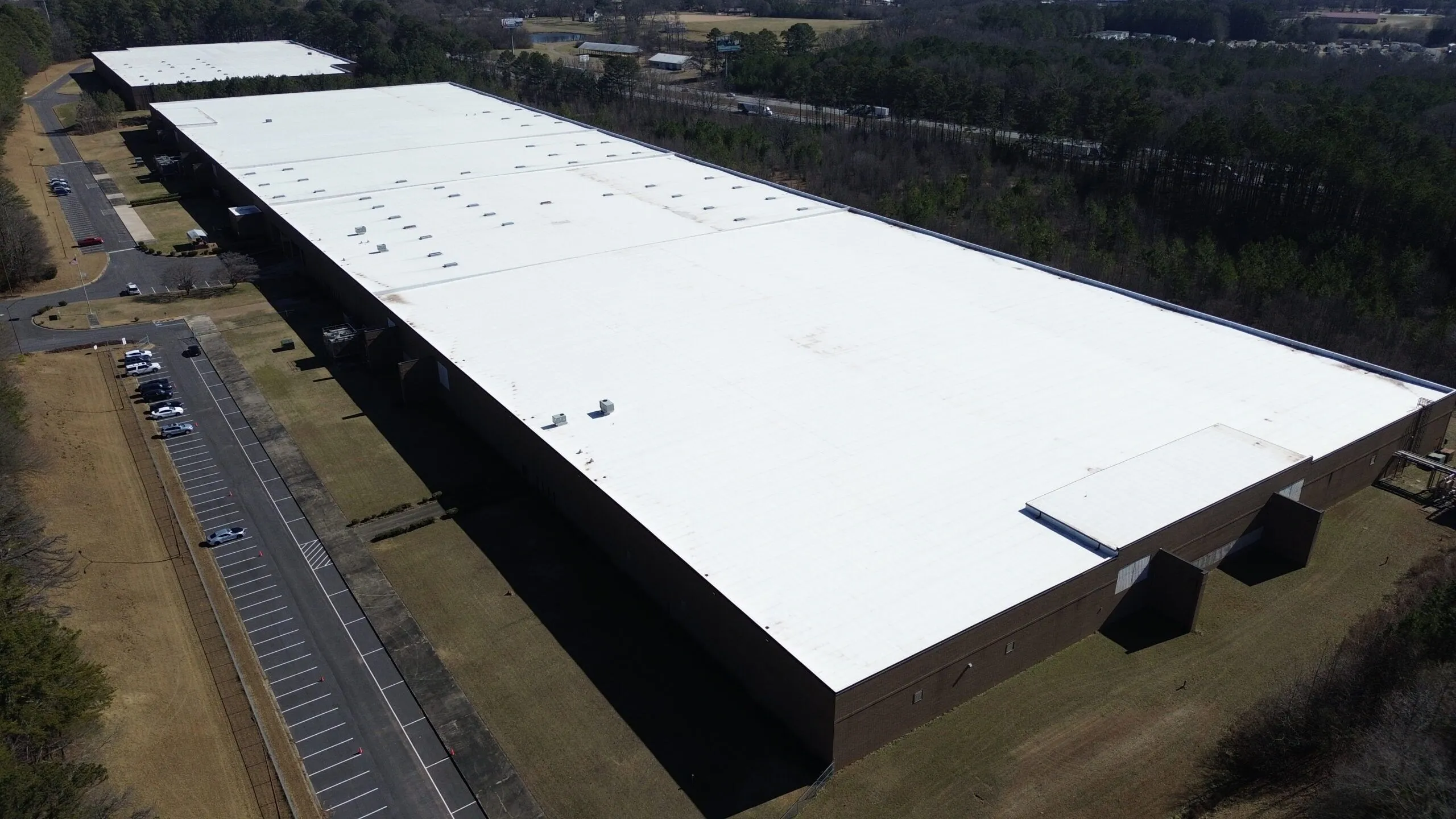
Roof Work, Sequenced
Approving a roof replacement is the easy part. Coordinating roof capital across a portfolio — deciding which roofs go this year and which can wait, scheduling work around tenants and weather, holding contractors to scope, and making sure the warranty that comes out the other side is actually enforceable — is where roof budgets are won or lost. We coordinate roof capital improvements from the owner's side of the table, managing the sequence, the specifications, and the execution so that every dollar of roof capital lands where the condition data says it should and produces the protection you paid for.
Sequencing Across the Portfolio
When several roofs need work and the budget cannot cover all of them at once, sequence is everything. The wrong order means a roof fails while a less urgent one is being replaced, or a restoration window closes on a roof that could have been saved with a coating, forcing a full replacement a year later at several times the cost. We build a multi-year sequence grounded in condition scores, leak history, warranty expirations, and the realistic decline curve of each system, so the roofs nearest the cliff are addressed before the ones with runway.
Sequencing also smooths capital. Rather than facing a year where four replacements collide, we stage work so that restorations buy time on roofs that qualify — extending a sound TPO or EPDM field with a fluid-applied coating — while replacement dollars concentrate on the roofs that are genuinely out of options. The result is a plan you can fund, defend, and adjust as conditions change.
Scope and Specification Control
The most expensive roofing mistakes are written into the scope before a crew ever arrives. A specification that omits a cover board, under-specifies insulation R-value, accepts mechanical attachment where the deck and wind zone call for a fully adhered assembly, or leaves flashing details to the contractor's discretion produces a roof that meets the contract and fails the building. We develop or review the specification on the owner's behalf so the assembly matches the building's exposure, code obligations, and the warranty you intend to secure.
Holding scope through bidding is just as important as setting it. We coordinate the work so that competing bids are priced against the same specification, which is the only way an apples-to-apples comparison is possible. Coordination across the project includes:
- A single, detailed specification all bidders price — system, insulation, cover board, attachment, and flashing details
- Pre-construction confirmation of deck condition, drainage corrections, and any structural or code-driven upgrades
- Tenant and operations scheduling, including phasing to keep occupied or sensitive spaces protected
- Manufacturer involvement so the installed assembly qualifies for the intended system warranty
- Inspection at the milestones that matter — tear-off, substrate, insulation attachment, and seam completion
- Documented closeout: warranty registration, as-built details, and the records that support future claims
Protecting the Warranty You Are Buying
A manufacturer system warranty is one of the most valuable assets a roof project produces, and it is also one of the most commonly forfeited. Warranties hinge on certified installation, registration filed within a deadline, and ongoing maintenance obligations that owners rarely track. We coordinate the project so the installer carries the right certification for the system, the warranty is registered and in hand at closeout, and the maintenance terms are captured in your records rather than discovered during a denied claim years later. A roof that fails under a warranty you cannot enforce is a roof you paid for twice.
Owner-Side Oversight During Construction
Roof work is concealed work. Once the membrane goes down, the insulation attachment, the seam welds, and the flashing details underneath are invisible — and any shortcut taken there surfaces as a leak after the contractor's workmanship period has lapsed. We provide oversight at the points where defects are still visible and correctable: confirming the deck is sound before insulation goes down, checking attachment patterns against the wind specification, and verifying seam and termination quality before the roof is closed in. This is oversight on the owner's behalf, with no incentive to overlook a problem that the building will pay for later.
We also manage change orders rather than absorb them. On a roof project the most common surprises — wet insulation discovered at tear-off, deteriorated decking, drainage that does not meet code — are foreseeable, and we price contingencies into the plan so a legitimate condition does not become an open-ended cost escalation.
Closeout That Feeds the Next Decision
A coordinated project does not end at substantial completion. It ends with a record that strengthens every future decision about the building. We close out each project with the warranty documentation, as-built assembly details, photographs of concealed conditions, and the maintenance schedule the warranty requires. That closeout package becomes the baseline for the roof's condition record, sets the inspection cadence that protects the new investment, and ensures the next person evaluating this roof — whether for maintenance, a claim, or a sale — inherits evidence rather than guesswork. Coordinated capital is not just work done in the right order; it is work documented well enough to defend the spend and inform what comes next.